Compare Local Contractors for Expert Arborist Pruning Services
Compare local contractors for arborist pruning to define the scope, verify experience, and set clear expectations for a safe, effective job.
Arborist pruning services provided by local contractors typically encompass a range of tree care tasks aimed at maintaining the health, safety, and aesthetic appeal of trees on residential or commercial properties. These tasks often include removing dead or diseased branches, shaping trees to promote balanced growth, and reducing the risk of falling limbs that could pose hazards. Proper pruning can also improve sunlight penetration and air circulation, which benefits the overall vitality of the trees. When selecting a contractor, it’s important to clearly define the scope of work to ensure the project addresses specific concerns and desired outcomes, whether that involves routine maintenance or addressing particular safety issues.
Defining the scope of arborist pruning work is crucial for setting clear expectations and avoiding misunderstandings. Property owners should consider what types of pruning are needed-such as crown thinning, crown reduction, or structural pruning-and communicate these details explicitly. Outlining the extent of work, including the number of trees and specific areas to be addressed, helps ensure that contractors understand the project requirements. Having this information in writing can also serve as a reference throughout the project, making it easier to verify that the work performed aligns with the initial agreement and scope.
When comparing local contractors for arborist pruning, property owners should consider several practical factors. It’s helpful to review each service provider’s experience with similar projects and ask about their approach to pruning techniques. Verifying that contractors have a good reputation in the community and checking references or reviews can provide insight into their reliability and quality of work. Additionally, requesting detailed descriptions of the work scope and ensuring all expectations are documented in writing can help prevent miscommunications. Taking these steps can assist in identifying experienced, trustworthy service providers who can meet the specific needs of the property.
Compare local contractors by outlining your priorities, verifying experience, and clearly defining project expectations in writing.
- Compare Contractor Experience - review the background and expertise of local contractors to ensure they can handle arborist pruning tasks.
- Define Project Scope - clearly outline the pruning needs and expectations to communicate effectively with service providers.
- Verify Service Provider Credentials - confirm that local contractors have relevant experience and proper qualifications for the work.
- Document Work Details in Writing - establish clear agreements on scope, methods, and expectations to prevent misunderstandings.
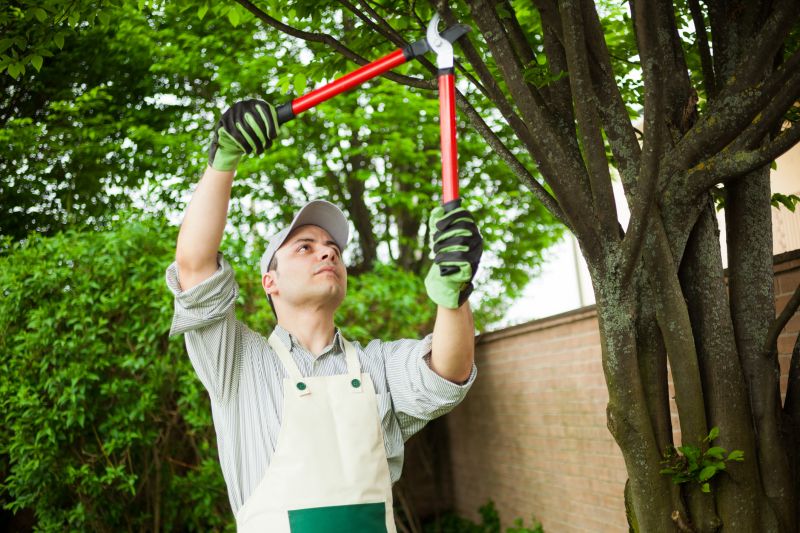
Compare local contractors by clearly describing your arborist pruning project, defining scope, verifying experience, and setting expectations in writing.
- Verify the experience and expertise of the service provider in arborist pruning specific to your tree types. - Ensure scope of work and pruning techniques are clearly defined in the written agreement.
- Assess the contractor’s understanding of proper pruning practices to promote tree health and safety. - Confirm that the service provider follows accepted arboricultural standards and guidelines.
- Request detailed descriptions of the pruning methods and tools to be used during the project. - Clarify expectations around the extent of pruning and preservation of tree structure.
- Check that the scope of work includes cleanup and disposal of debris after pruning is completed. - Ensure that the contractor’s responsibilities include site tidiness and debris removal.
- Compare multiple local contractors to evaluate their experience, scope, and communication clarity. - Look for consistency in scope descriptions and professionalism in written proposals.
- Make sure all project details, scope, and expectations are documented in a written contract before work begins. - Having a clear, detailed agreement helps prevent misunderstandings and sets project parameters.
Compare local contractors’ experience and scope of work to ensure clear, well-defined pruning projects.
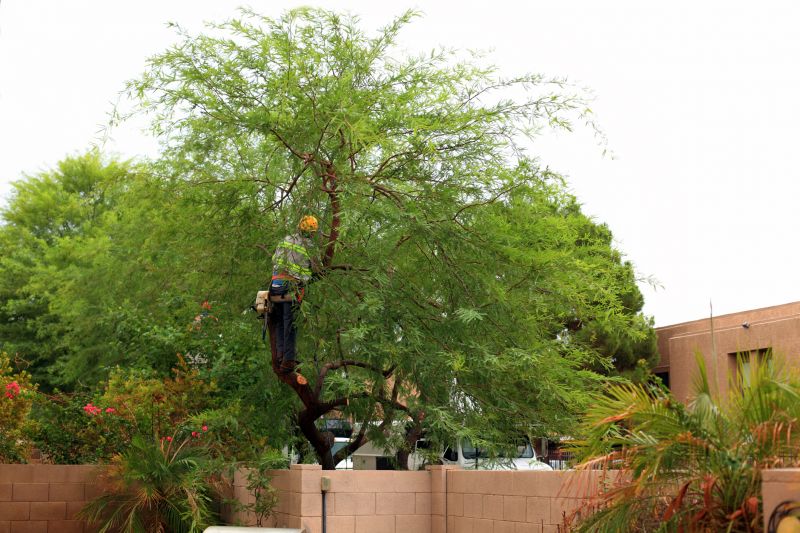
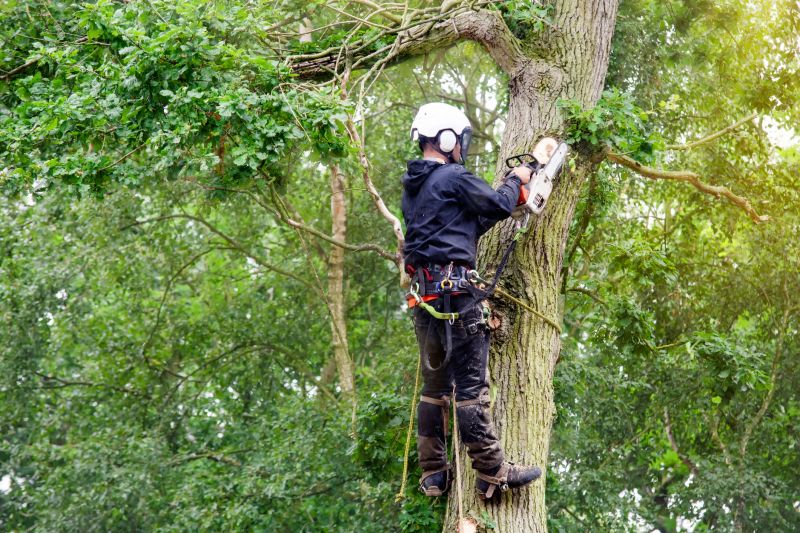
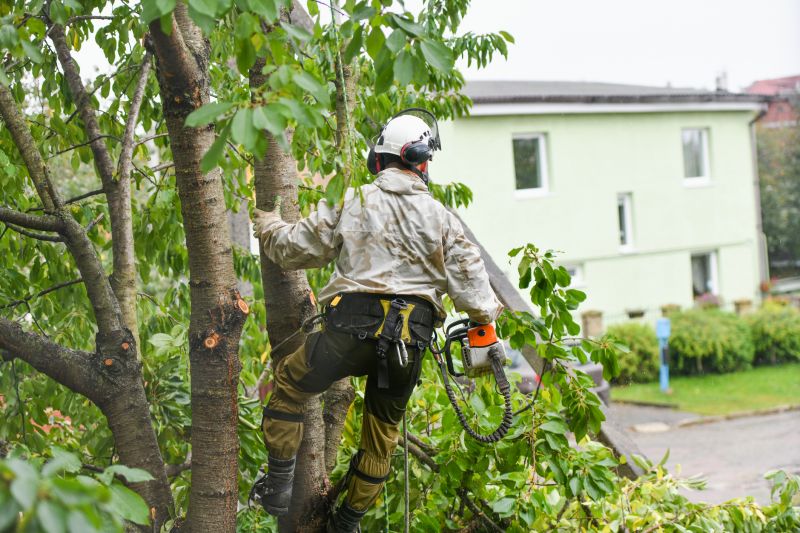

This scope builder helps compare local contractors for arborist pruning by clarifying work details and experience.
- Scope Definition - Clearly specify the types of pruning services needed, such as crown thinning, shaping, or removal.
- Experience Verification - Confirm that the service providers have relevant experience with arborist pruning techniques.
- Equipment and Methods - Identify the tools and pruning methods that will be used to ensure proper tree care.
- Work Scope in Writing - Document the detailed scope of work, including the trees involved and pruning objectives.
- Insurance and Liability - Ensure that local contractors have appropriate insurance coverage to handle pruning work safely.
When comparing contractors for arborist pruning, it is important to assess their experience with similar projects. Look for service providers who have a proven track record handling pruning jobs comparable in scope, tree types, and site conditions. An experienced contractor will be familiar with best practices and potential challenges specific to the types of trees and landscape features involved. This familiarity can help ensure the work is performed efficiently and in accordance with industry standards, reducing the likelihood of issues arising during or after the project.
A clear, written scope of work is essential for establishing mutual understanding and setting expectations. When evaluating contractors, seek detailed descriptions of the pruning process, including the objectives, methods, and the extent of work to be performed. A well-defined scope helps prevent misunderstandings and ensures that both parties agree on what will be done. It also provides a basis for evaluating whether the proposed approach aligns with the specific needs of the trees and property.
Verification basics involve confirming a contractor’s ability to deliver quality work through references, project history, or examples of previous projects. While licensing and certification are not discussed here, it remains useful to gather information about a contractor’s background, such as client references or documented experience with similar pruning projects. This helps establish confidence in their capability to handle the work professionally and competently, and to meet the project specifications outlined in the scope.
When evaluating options, focus on how well each service provider’s experience, scope of work, and communication align with the project’s requirements. Comparing the clarity of their written proposals and the thoroughness of their project descriptions can reveal how well they understand the task. It is also helpful to ask about their process for managing unexpected issues or adjustments, ensuring that expectations are realistic and that the contractor’s approach matches the specific needs of the site. This thorough comparison supports selecting a contractor capable of delivering the desired results without relying on pricing considerations.
Request written scope details to ensure clarity and consistency when comparing arborist pruning contractors.
- Scope of Work - What specific pruning tasks and tree care services are included in the contractor’s scope?
- Experience and Expertise - How do local contractors demonstrate their experience with similar pruning projects?
- Methodology and Techniques - What pruning methods and tools do service providers typically use, and how do they ensure proper tree health?
- Written Agreements - Are the scope and expectations clearly documented in a written contract before work begins?
- Comparison Factors - What criteria should be used to compare different local contractors’ approaches and service offerings?
How can I compare contractors for arborist pruning? To compare local service providers, review their experience, reputation, and the scope of services offered. Gathering multiple quotes and checking references can help identify the best fit for your needs.
What should I include in the scope of work for arborist pruning? Clearly define which trees or areas need pruning, the desired outcomes, and any specific techniques or standards to be followed. A detailed scope helps ensure all parties understand the expectations.
How can I verify a contractor’s experience with arborist pruning? Ask for details about their previous projects, years of experience, and types of trees they have worked on. Requesting examples or references can provide additional insight into their expertise.
Why is it important to have the scope of work in writing? Having a written scope ensures clarity and helps prevent misunderstandings. It provides a record of agreed-upon services and expectations that can be referenced throughout the project.
What questions should I ask potential contractors during the selection process? Inquire about their experience, methods, safety practices, and how they handle unexpected issues. Clarifying these points can aid in evaluating their professionalism and suitability.
How can I ensure the contractor understands my pruning goals? Communicate your objectives clearly and in detail, and request that they confirm their understanding in writing. This helps align expectations and guides the pruning work accordingly.
Understanding the key aspects of arborist pruning services helps in making informed decisions. Visitors have learned how to define the scope of work, verify the experience of service providers, and set clear expectations through written agreements. This approach ensures that choosing the right contractor aligns with individual project needs and preferences.
Using the quote form allows for straightforward comparison of local contractors specializing in arborist pruning. It provides an efficient way to explore options and connect with service providers who can handle the job, empowering visitors to find the best match for their specific project requirements.